Swoya SS1 vs Rab Downpour Plus: which hardshell?
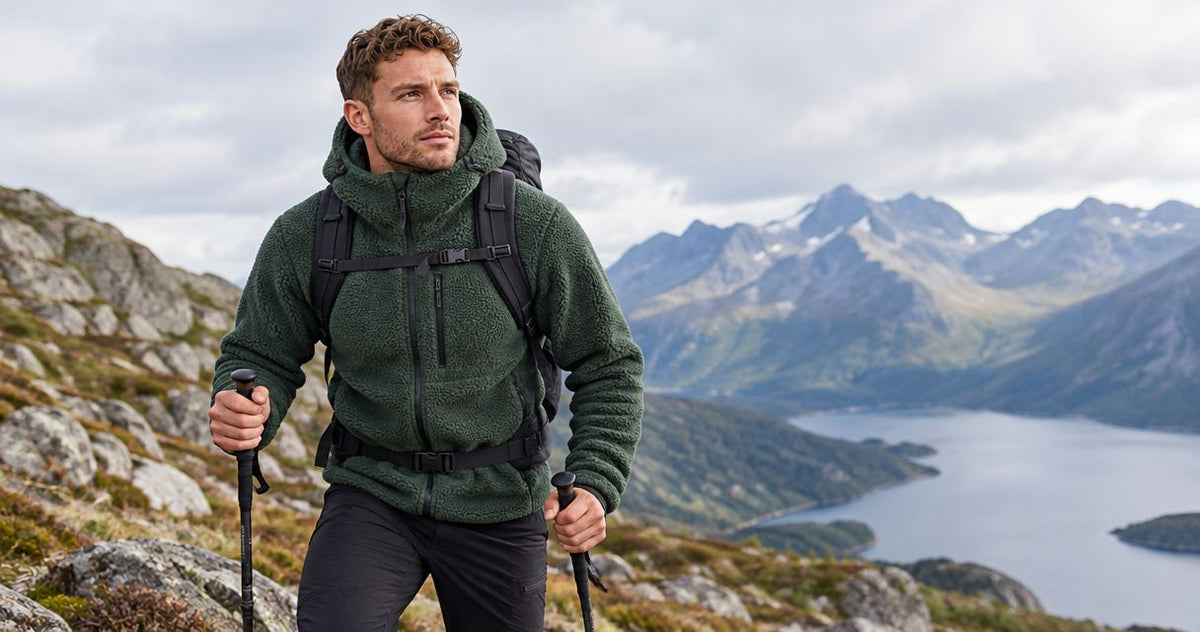
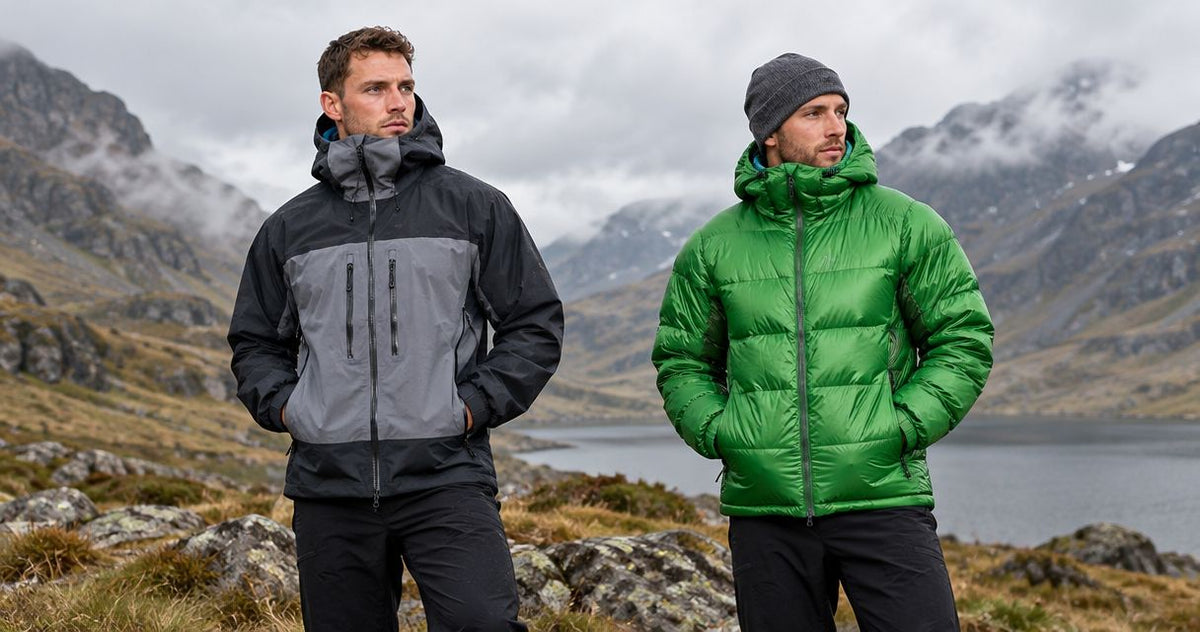
Choose Swoya SS1 if you want a hardshell explicitly designed for alpine climbing, expeditions and winter mountaineering; choose Rab Downpour Plus if you want a walking waterproof with underarm ventilation for managing heat on climbs. For UK hillwalking in 2026, the decision starts with your conditions and layering needs—not which jacket sounds more technical.
- Swoya SS1 vs Rab Downpour Plus: choose the alpine brief or a walking waterproof with underarm ventilation.
- SS1 Hardshell jacket targets alpine climbing, expeditions and winter mountaineering; that brief is not a comparative performance rating.
- Rab Downpour Plus suits walkers who prioritise adjustable ventilation during sustained uphill effort.
- Check hood movement, sleeve coverage and room for insulation before choosing either hardshell.
Why this matters
A shell has to work while you climb, stop and put on another layer. A jacket that feels comfortable over a T-shirt can restrict your shoulders over a fleece, while a hood that looks protective can obstruct your view when you turn.
Choose the jacket around the walk, then check the specification. The guide to choosing a waterproof hiking jacket explains that buying process. Here, the useful distinction is between an explicitly alpine-focused jacket and a walking waterproof with a known ventilation feature.
Neither a mountain-use description nor a familiar brand name settles waterproof performance, fit or durability. Those require specific construction details and a practical fit check.
At a glance
| Dimension | Swoya SS1 | Rab Downpour Plus |
|---|---|---|
| Best for | Buyers seeking an explicitly alpine and winter-mountaineering brief | Walkers prioritising a waterproof with underarm ventilation |
| Standout feature or focus | Stated focus on alpine climbing, expeditions and winter mountaineering | Underarm ventilation for releasing heat |
| Uphill temperature control | Check the jacket's ventilation arrangements before choosing | Underarm zips provide a direct ventilation option |
| Fit over insulation | Assess with your intended walking layers | Assess with your intended walking layers |
| Wet-weather comparison | Use exact fabric and construction specifications, not the alpine description alone | Use the exact version's specifications, not the product name alone |
| Pricing model | Individual jacket purchase; assess against the complete specification | Individual jacket purchase; compare the exact version |
| Buying priority | Match the alpine brief to your actual use | Match the ventilation and fit to your walking routine |
The table separates a stated design purpose from a physical feature. An alpine brief explains the intended activity; underarm zips explain one way a jacket lets you release heat. They are different kinds of information, so neither establishes an overall performance winner.
SS1 has the more explicitly alpine brief
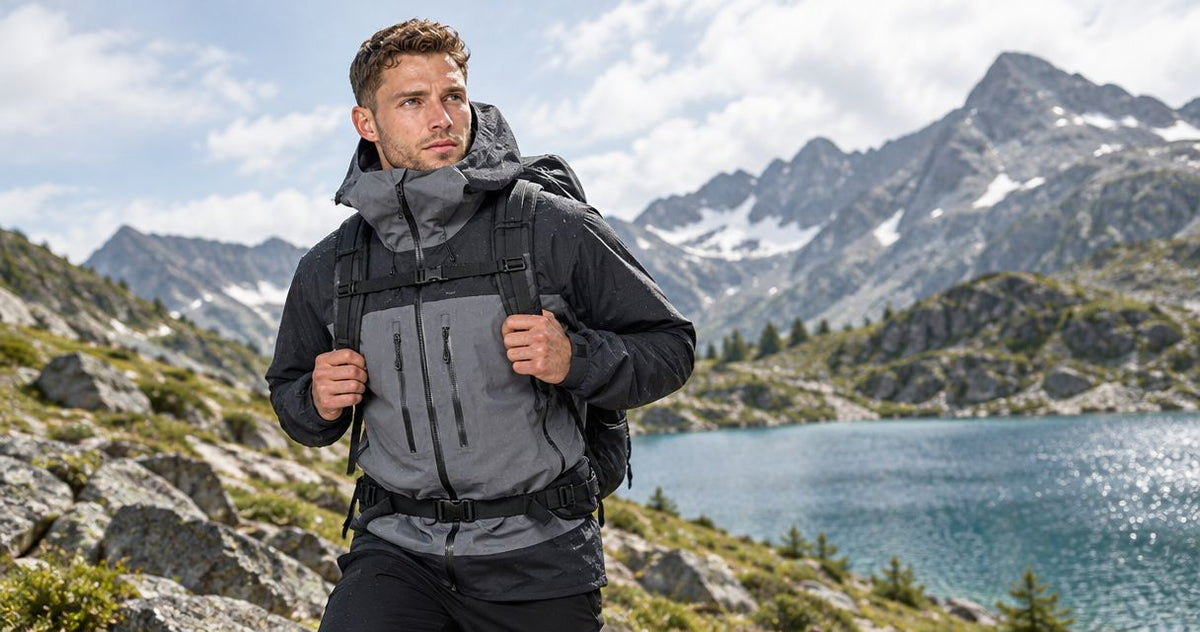
The SS1 Hardshell jacket is described for alpine climbing, expeditions and winter mountaineering. That makes its intended use relevant if your shopping list starts with mountain activities rather than everyday waterproof cover.
Swoya SS1 is the hardshell to shortlist when your brief explicitly includes alpine climbing and winter mountaineering. Shortlist is the key word: the intended activity does not establish how the jacket compares on fabric weight, abrasion resistance or weather protection.
For a 2026 purchase, turn that brief into questions about your own use:
- Will you wear the shell over your usual walking fleece or additional insulation?
- Do you need unrestricted overhead reach for the activities you undertake?
- Can you operate the hood, cuffs and front fastening with the gloves you use?
- Does your rucksack prevent access to anything you need while moving?
The benefit is a clearly stated mountain-use focus. The limitation is that the description alone cannot tell you whether the jacket is a better fit for your particular hill day.
Choose Rab Downpour Plus instead when your requirement is a walking waterproof and its ventilation arrangement addresses a problem you already experience. Buying for a more demanding-sounding activity is not automatically buying better for your own.
Rab Downpour Plus gives walkers a specific ventilation feature
Rab Downpour Plus has underarm ventilation zips. For walkers who build heat on sustained climbs, that is a concrete feature to assess rather than a general promise of comfort.
Opening ventilation gives warm, humid air another route out of the jacket. It does not make the fabric more breathable, and it does not remove the need to adjust your pace or insulation.
Rab Downpour Plus is the clearer choice when underarm ventilation is a buying requirement. Check the exact version you are considering in 2026, including whether you can reach and operate its zips while wearing your normal pack.
There is a trade-off. An opening that releases heat also needs managing when wind-driven rain reaches it; ventilation is not a setting you can ignore throughout a wet walk.
For the SS1 Hardshell jacket, establish the ventilation arrangement before making this comparison. Do not assume an alpine-focused shell has a particular opening, zip position or airflow advantage.
If you usually walk slowly in cold conditions, ventilation might sit below layering room on your priority list. If you regularly overheat on steep approaches, move it near the top.
Neither jacket wins fit without your walking layers
Fit is an honest tie until you assess both jackets on your body. A size label cannot establish shoulder movement, hem coverage or room for the insulation you actually wear.
Start with your normal walking layers rather than a thin indoor top. Then put on your rucksack and adjust it as you would outside; pack straps change how a shell sits and which parts you can reach.
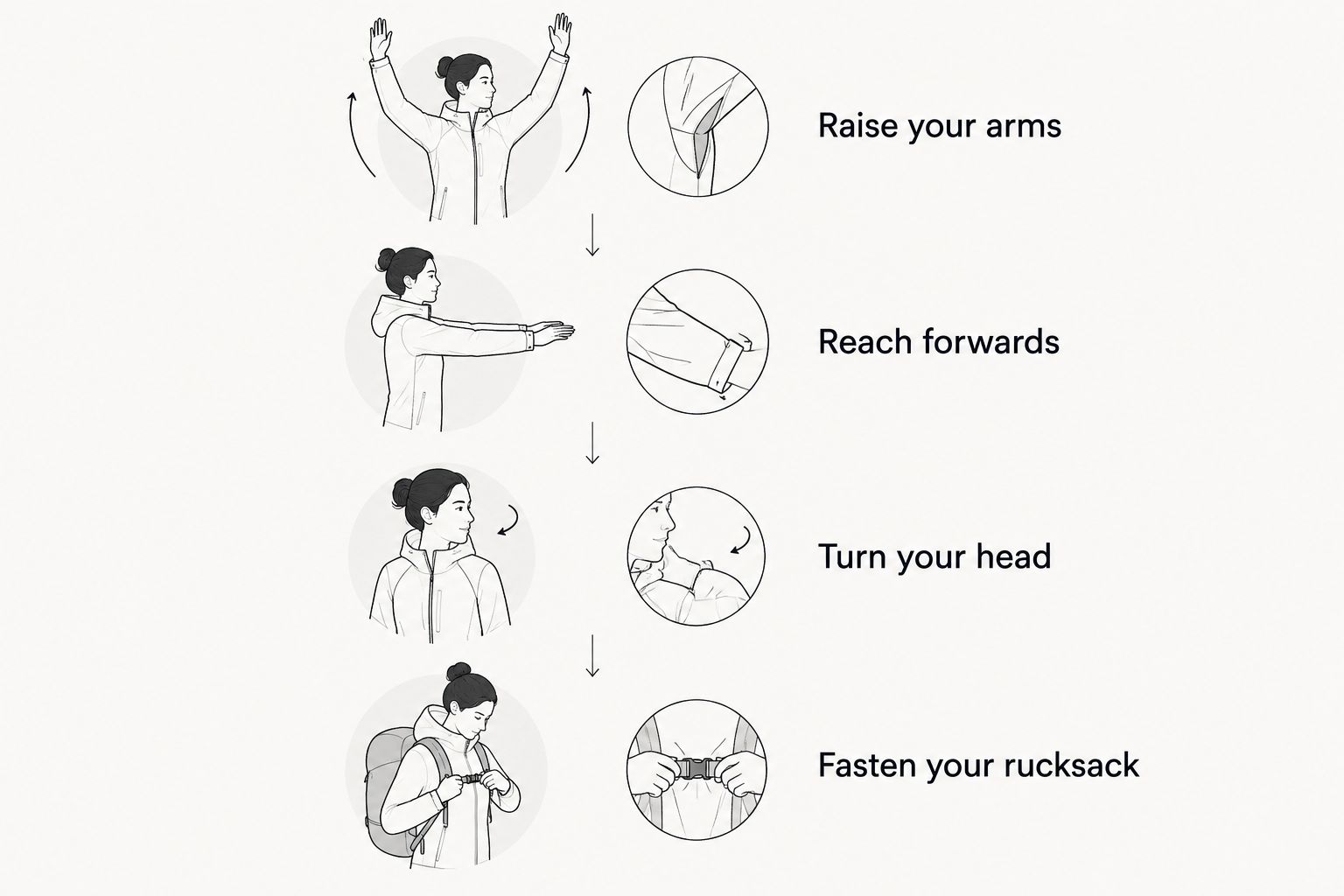
Use this sequence:
- Raise your arms: check whether the hem lifts enough to expose your lower layers.
- Reach forwards: check for pulling across the shoulders and upper back.
- Turn your head: check whether the adjusted hood follows your movement without blocking your view.
- Fasten your rucksack: check access to the fastenings and pockets you expect to use.
A close fit can reduce loose fabric, but it must not restrict movement or compress the insulation you intend to wear. Extra room is useful only if the hood, cuffs and hem still adjust effectively.
Choose whichever jacket passes your layered movement check. Neither an alpine description nor a ventilation feature compensates for sleeves that pull back or a hood that obstructs your view.
Neither jacket wins weather protection on its name alone
A hardshell label is not a comparative waterproof rating. Equally, a product aimed at walking is not automatically inadequate for exposed conditions.
For your 2026 shortlist, compare the exact fabric construction, seam sealing and published waterproof information for each jacket. Check how the front fastening, cuffs and hood close, because weather protection involves more than the fabric panel across your chest.
Keep these distinctions clear:
- Waterproof performance concerns resistance to water passing through the fabric under a specified test.
- Breathability concerns moisture-vapour transfer under a specified test.
- Surface repellency concerns water beading on the outer face fabric.
- Ventilation concerns air exchange through openings you control.
Those properties work together, but they are not interchangeable. A wet outer face does not, by itself, prove that water has passed through the waterproof barrier; moisture inside a jacket also needs distinguishing from condensation.
There is no supported overall waterproof-performance winner here. Choose using the exact specifications and construction details, not an assumption that one brand or intended activity guarantees better protection.
That is a buying discipline, not a reason to ignore specifications. When a measurement matters to your decision, establish the test and the product version before treating two figures as directly comparable.
Layering matters more than buying the whole outfit
Your shell manages exposure; your insulating layers manage warmth. Treat those as separate jobs rather than expecting a waterproof jacket to solve both automatically.
The SF1 Fleece Grey is described as a layering and mountaineering fleece with a fitted hood and YKK zips. It is relevant when assessing how an insulating layer sits beneath a shell, but its description does not establish that a particular size combination will fit you.
Try the layers together. Check whether stacked hoods feel crowded, whether the outer jacket closes comfortably and whether you retain the same reach with your pack on.
The following pieces serve different roles: the SS1 Hardshell jacket is the shell option, while SF1 Fleece Grey is the insulating-layer option. They are not alternatives to one another, and you do not need to replace a suitable fleece simply because you are buying a new waterproof.


Pricing: compare the exact jackets, not assumed savings
Both choices are individual garment purchases. Neither introduces a recurring payment model, so the useful comparison is the jacket you receive and whether it meets your requirements.
Check current product listings when you buy. For Rab Downpour Plus, establish the exact version rather than treating similarly named listings as identical; for the SS1 Hardshell jacket, assess the complete specification against the activities you intend to undertake.
There is no supported value-for-money winner without a like-for-like specification comparison. A lower purchase cost does not resolve a poor fit, while a higher one does not prove greater durability or better weather protection.
Include the layers you already own in the decision. If your existing fleece fits and performs its role, the relevant purchase is the shell—not an assumed replacement system.
Final verdict: choose by activity and ventilation
Choose SS1 for an explicitly alpine-focused shortlist
Winner for the buyer seeking the stated alpine brief: SS1 Hardshell jacket. Choose it when alpine climbing, expeditions or winter mountaineering match your intended use, then confirm the construction and fit details that matter to that use.
Swoya's hardshell description gives you a clear starting point, not permission to skip those checks. Do not choose it solely because the activity description sounds more demanding than ordinary hillwalking.
Choose Rab Downpour Plus when ventilation leads the decision
Winner for the walker requiring underarm ventilation: Rab Downpour Plus. Choose it when releasing heat on climbs is a priority and the exact jacket passes your layered fit check.
Its ventilation feature is a practical reason to shortlist it. It is not proof of better fabric breathability, longer service life or better protection than the alternative.
| Dimension | Winner |
|---|---|
| Explicit alpine and winter-mountaineering brief | SS1 Hardshell jacket |
| Known underarm ventilation feature | Rab Downpour Plus |
| Fit over your insulation | Tie until tried with your layers |
| Comparative waterproof performance | No supported winner |
| Value for your particular use | Decide from the exact specification and fit |
FAQ
Is Swoya SS1 better than Rab Downpour Plus for UK hillwalking?
Neither is established as the better jacket for every UK hillwalker. SS1 has an explicitly alpine and winter-mountaineering brief; Rab Downpour Plus offers underarm ventilation that is relevant to walkers managing heat on climbs.
Which jacket should I choose if I overheat walking uphill?
Rab Downpour Plus is the clearer shortlist choice when underarm ventilation is essential. Check that you can operate its ventilation zips with your normal rucksack, and adjust your insulating layers before you become excessively warm.
Is the SS1 Hardshell jacket designed for winter mountaineering?
Yes, the SS1 Hardshell jacket is described as designed for alpine climbing, expeditions and winter mountaineering. Confirm its detailed specification and fit against your intended activity rather than treating that description as a comparative performance rating.
Can I wear a fleece underneath either jacket?
Choose a jacket size and cut that accommodate your intended fleece without restricting movement. Try the combination with your rucksack, then check overhead reach, sleeve coverage and hood adjustment.
Does an alpine hardshell automatically offer better waterproof protection?
No, an alpine-use description does not establish better waterproof performance. Compare the exact fabric, seam construction and published test information before declaring either jacket better.
How should I compare the cost of these waterproof jackets?
Compare the current listings for the exact jackets and versions you intend to buy. Assess fit, construction and required features together rather than assuming either the lower or higher purchase cost identifies the better choice.
One last thing
Repeat the hood check with your rucksack fastened. Look down at your feet, turn to either side and reach forwards; a fit that works standing still must also work while you move.
For your 2026 purchase, make that the final filter. A specification earns a place on your shortlist; usable fit earns a place in your pack.