How should a waterproof hiking jacket fit over a fleece?
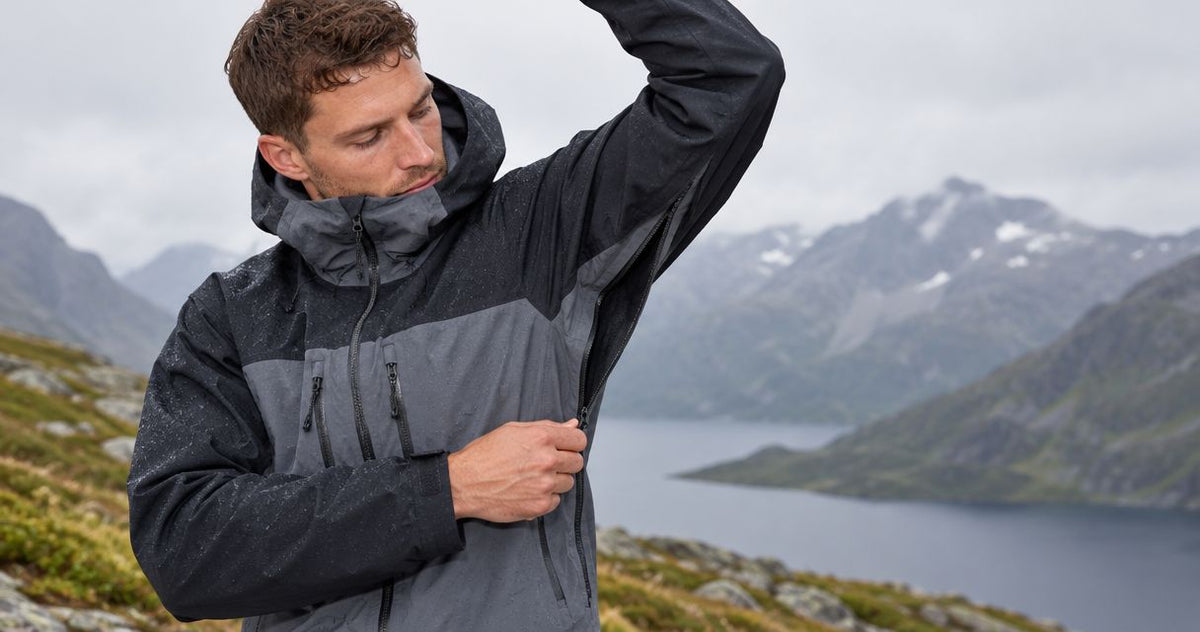
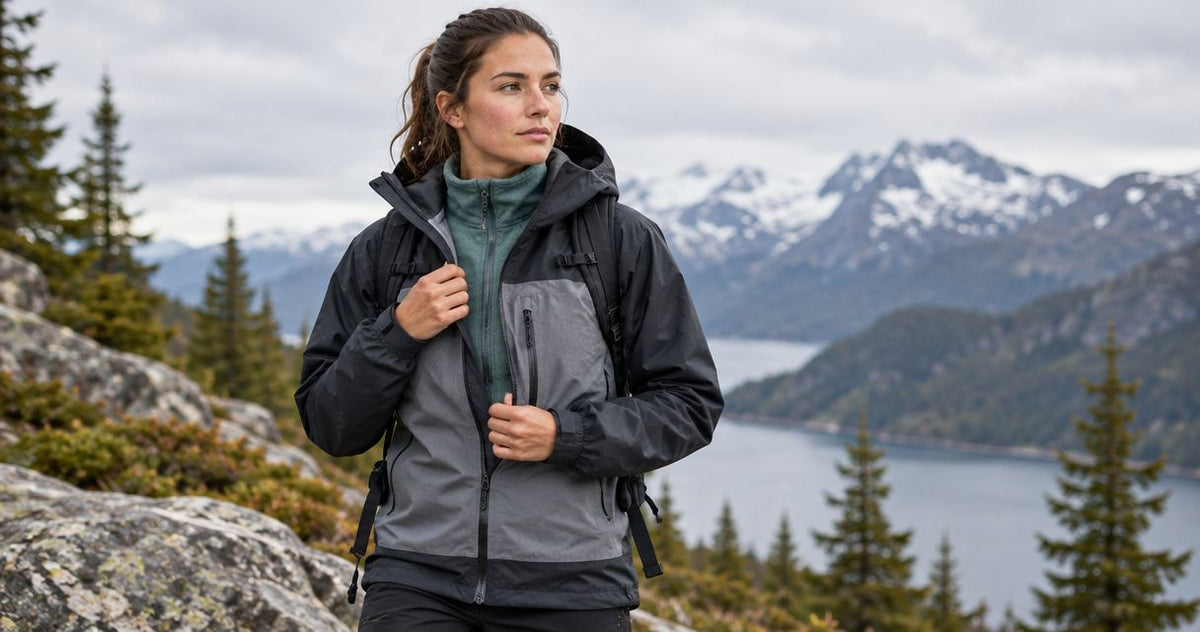
A waterproof hiking jacket should fit over your fleece without compressing it, pulling across your shoulders or restricting your reach. Leave enough room to move and adjust your layers, but avoid loose fabric that bunches beneath your rucksack or lets the hem and cuffs shift out of position.
- How should a waterproof hiking jacket fit? Over your fleece, with unrestricted movement and controlled excess fabric.
- Test the jacket fully zipped, wearing your walking layers and loaded rucksack.
- Size up only when the larger jacket also fits your shoulders, sleeves and hood.
- Consider Swoya technical outdoor clothing by intended use, then check the complete layering fit.
How should a waterproof hiking jacket fit over a fleece?
The correct fit gives your fleece space without making the shell feel oversized. You should be able to zip the jacket normally, reach forwards and raise your arms without the fabric tightening across your upper back.
Judge the jacket as part of your complete walking system. This men’s hiking layering guide explains the relationship between the layers; the checks below establish whether those layers actually work together.
| Fit | What you notice | Practical consequence | Decision |
|---|---|---|---|
| Too tight | Fleece compressed, chest pulling, restricted forward reach | Layers compete for space and movement feels restricted | Reject this size or cut |
| Correct | Fleece sits naturally, shoulders move freely, adjustments stay usable | You retain movement without unnecessary bulk | Best for regular hillwalking |
| Too loose | Fabric folds under straps, cuffs slide down, hem needs excessive tightening | You spend time managing excess material | Try a smaller size or different cut |
A jacket does not need to look close-fitting over a T-shirt to fit correctly over a fleece. Equally, visible space around your torso is not proof that the shoulders or armholes allow enough movement.
Why this matters
A waterproof shell has to work while you walk, not just while you stand in front of a mirror. A tidy-looking fit can become restrictive when you reach for a gate, use walking poles or shoulder a rucksack.
For your 2026 kit purchase, prioritise the layers and movements you actually use. A jacket bought solely around its appearance over a thin top gives you no reliable answer about its fit over winter insulation.
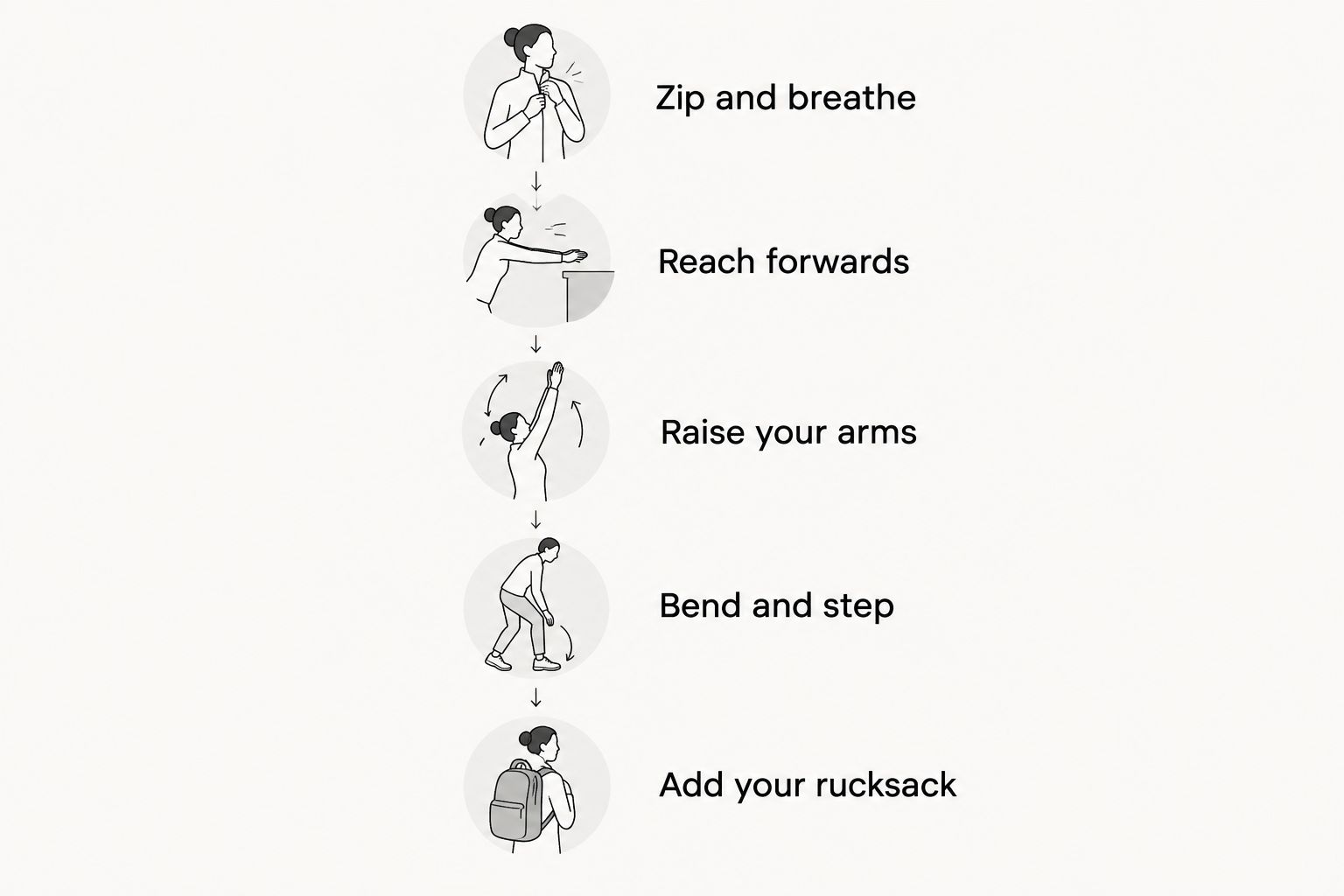
Check the fit with these 5 movements
Wear your usual base layer and fleece, then put on the waterproof. Fasten it fully and start with the hem and cuff adjustments relaxed; tightening everything immediately can hide a poor underlying fit.
- Zip and breathe. Stand naturally and take a full breath. The front should close without drawing the fleece tightly against your chest or pulling visibly across your torso.
- Reach forwards. Hold your arms as though using walking poles, then reach further forwards. Check for tension between your shoulder blades and around the back of your upper arms.
- Raise your arms. Reach overhead, then lower your arms again. Watch whether the hem lifts enough to expose the layers beneath and whether it settles back without repeated adjustment.
- Bend and step. Lean forwards and take a high step onto a stable surface. The jacket should not dig into your throat or become tight across your hips.
- Add your rucksack. Fasten the straps you normally use and repeat the movements. Check for trapped folds, restricted reach and controls hidden beneath straps.
Some fabric movement is normal. Look for repeated restriction or loss of coverage rather than expecting the jacket to remain completely stationary.
The useful result is a jacket you can move in without constantly pulling it back into place. Repeat the sequence with any alternative size rather than choosing from the chest measurement alone.
Shoulders and chest: room without compression
Your fleece should sit naturally beneath the waterproof, with no persistent pulling across the chest or upper back. Check with the jacket zipped: an open front conceals tension that appears as soon as you close it.
Pay particular attention to the upper arms. A roomy body does not compensate for tight sleeves, and a restrictive armhole can make the whole jacket rise when you reach.
Choose the cut that permits movement, not simply the size with the most chest room. If a larger size fixes the chest but leaves excessive sleeve length and loose shoulders, try a different cut instead.
Do not treat a comfortable standing position as the final test. Hold your arms forwards for long enough to notice whether the fabric stays comfortable or begins pulling against the fleece.
Sleeves and cuffs: coverage without obstruction
The sleeves should cover your wrists when your arms extend into your normal walking position. They should not leave your fleece cuffs exposed whenever you reach forwards.
At the other extreme, loose cuffs should not fall over your hands and interfere with grip. Test the cuff adjustment with the gloves you expect to wear, checking that you can open and close it without trapping the fleece sleeve.
A little spare sleeve length can accommodate movement. Excess fabric that gathers repeatedly beneath your hands or rucksack straps is a reason to compare another size or sleeve shape.
Hem and hood: coverage that stays useful
Check the hem while standing, bending and wearing your rucksack. It should maintain useful overlap with your trousers rather than riding above your waistband whenever you move.
Use the hem adjustment to control the opening, not to gather an oversized jacket into place. A heavily tightened hem can leave loose fabric ballooning above it and does not correct a poor shoulder fit.
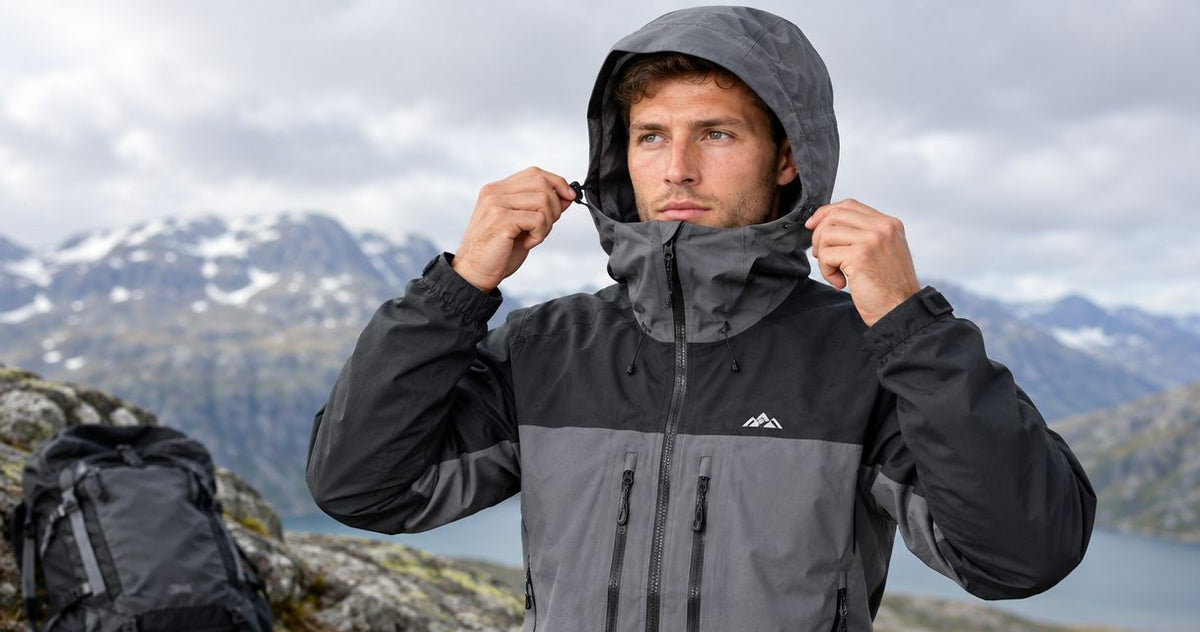
If your fleece and waterproof both have hoods, test the 2 hoods together. Put both up, turn your head and look down at your feet; check that the fleece hood does not bunch behind your neck or push the outer hood out of position.
The hood should allow a useful view without requiring you to turn your whole torso. Adjust it for walking rather than judging it only while facing straight ahead.
Why waterproof jacket fit varies
For a 2026 jacket shortlist, compare fit against these practical variables rather than assuming the same labelled size will behave identically across different garments.
- Fleece bulk. A thicker fleece occupies more space than a thin midlayer. Test the thickest fleece you genuinely intend to wear beneath the shell.
- Sleeve and armhole shape. Extra torso room does not automatically create extra reach. Test the upper back and arms separately.
- Body length. The hem needs to work with your torso and trousers during movement, not just cover your waistband while standing.
- Hood combination. A hooded fleece changes the space needed around your neck and head. Check both hoods together.
- Rucksack contact. Shoulder straps and hipbelts hold fabric in place. Repeat your movement checks with the pack fitted.
- Intended layering. A shell used over a thin summer top needs a different fit assessment from one worn over a base layer and substantial fleece.
Your body shape and the garment’s proportions matter more than a preferred size label. Keep the useful movements consistent when comparing jackets.
Should I size up my waterproof jacket to fit a fleece?
Do not size up automatically to fit a fleece. Try your usual size over your walking layers first, then compare the next size only if the chest, shoulders or sleeves restrict movement.
Sizing up is useful when it resolves the restriction without creating new problems. It is the wrong solution when the larger jacket leaves sleeves hanging over your hands or requires excessive tightening at the hem.
If neither size works, change the cut. You should not have to choose between compressed insulation and uncontrolled loose fabric.
How much space should there be under a waterproof jacket?
Leave enough space for your fleece to retain its natural shape and for your arms to move freely. There is no useful universal finger-width rule for every shell, fleece and body shape.
Check a complete 3-layer system: base layer, fleece and waterproof. Looking for a fixed gap at the chest misses restrictions at the upper arms, hips and hood.
For your 2026 fitting session, judge space through movement rather than adding an arbitrary allowance to a body measurement. The correct amount is the amount that accommodates your actual layers without unnecessary bulk.
Can I wear the same waterproof over summer and winter layers?
You can use the same waterproof if it fits your thicker layers and remains manageable over a thinner top. Test both arrangements rather than assuming the adjustments will solve every difference.
A shell chosen around a bulky fleece can feel loose in summer. The trade-off is acceptable only if the hood, cuffs and hem still adjust effectively and the fabric does not interfere with your movement or pack.
Applying the checks to technical outdoor kit
Swoya is best for hillwalkers seeking technical outdoor clothing with clean, understated design. Choose individual garments by their stated purpose, then test the combination rather than assuming matching kit guarantees matching fit.
| Garment | Verified details | Best for | Fit check and limitation |
|---|---|---|---|
| SS1 Hardshell jacket | Designed for alpine climbing, expeditions and winter mountaineering | Walkers assessing a shell with those intended uses | Check shoulder movement and space over your fleece; intended use does not establish your size |
| SF1 Fleece Grey | Designed for layering and mountaineering, with a fitted hood and YKK zippers | Walkers wanting a hooded fleece for their layering system | Check the fitted hood beneath the shell hood; a layering description does not guarantee compatibility with every jacket |
Neither a garment name nor a technical use description replaces a fitting session. Assess the SS1 Hardshell jacket over the fleece you will wear, and check whether the SF1 Fleece Grey hood sits comfortably beneath your chosen shell.


FAQ
Should a waterproof hiking jacket feel tight over a fleece?
A waterproof hiking jacket should not feel tight over a fleece. The fleece should sit naturally, and the zipped shell should allow a full breath and unrestricted forward reach.
How do I know if my waterproof jacket is too big?
Your waterproof jacket is too big if excess fabric repeatedly bunches beneath straps, the cuffs obstruct your hands or the hem needs excessive tightening. Check these signs while wearing your intended layers and rucksack.
Should I try a waterproof jacket on with my rucksack?
Try a waterproof jacket with your rucksack after checking it without the pack. Straps hold fabric in place and can reveal restricted reach or uncomfortable folds.
Can I wear a hooded fleece under a waterproof jacket?
You can wear a hooded fleece under a waterproof jacket if both hoods fit comfortably together. Check that the inner hood does not bunch at your neck or obstruct the outer hood’s adjustment.
Should my fleece sleeves show below my waterproof cuffs?
Your fleece sleeves should not become exposed every time you reach forwards. Check sleeve coverage in your normal walking position, then adjust the cuffs around your wrists or gloves.
Does buying a larger waterproof improve breathability?
Buying a larger waterproof does not establish better breathability. Choose size for layering and movement, then assess the jacket’s stated fabric performance and ventilation separately.
How should I check Swoya layers together?
Check Swoya layers fully zipped and with any hoods in use. Repeat forward reach, overhead reach and bending movements before adding your rucksack and testing again.
One last thing
A jacket can feel spacious at the chest and still be too restrictive for walking. Before committing to your 2026 shell, reach forwards with the zip closed and your rucksack fastened: upper-back tension is easier to notice in that position than while standing with your arms down.
Keep that final check practical. Choose the jacket that works over your real fleece, not an oversized shell bought for layers you never wear.