Men's softshell trousers for summer: when insulation is too much
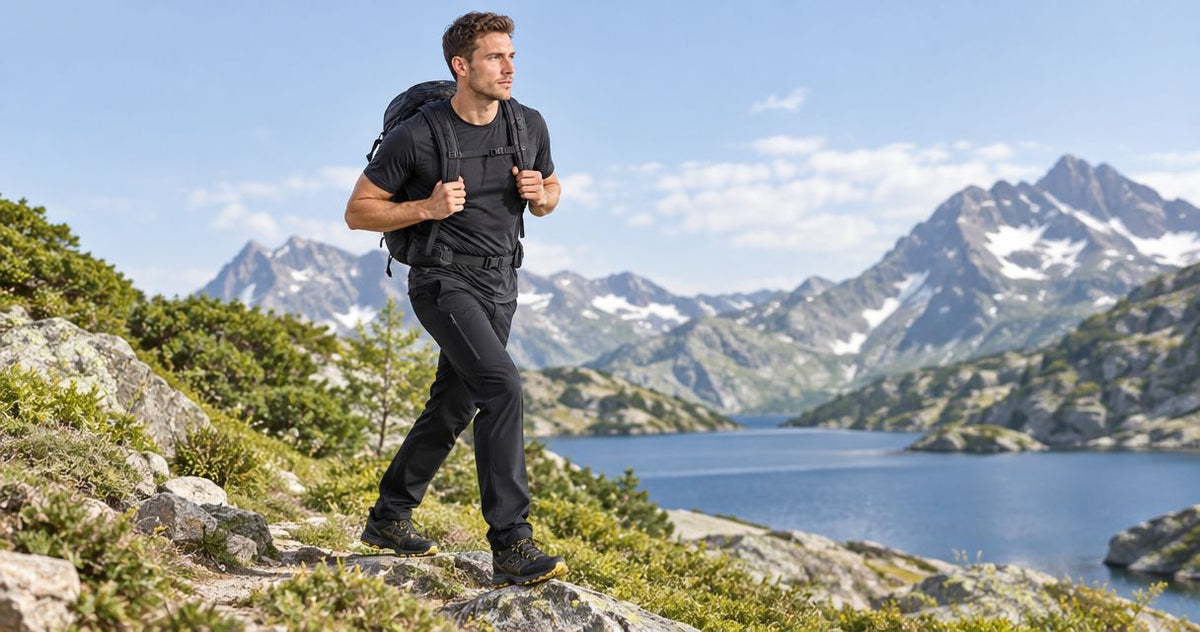
Men’s summer hiking trouser selection is choosing legwear that balances protection, movement and heat release so you stay comfortable while walking. For mens softshell trousers for summer hiking, start with uninsulated options: light insulation suits cooler conditions, but you cannot remove it when a sheltered climb gets warm.
- For mens softshell trousers for summer hiking, prioritise uninsulated fabric when warmth is not the problem.
- Swoya Ranger Pants have light insulation: consider them for cooler walks, not as an automatic summer choice.
- Compare lightweight woven trousers, uninsulated softshells and shorts against your route, pace and exposure.
- Treat rain protection separately; the softshell label alone does not establish waterproof performance.
Why trouser choice matters for summer hillwalkers
Summer hillwalking combines competing demands: you generate heat uphill, meet wind on exposed ground and slow down at stops. Trousers stay on through those changes, so their warmth needs closer attention than a jacket you can pack away.
Choose for the walking effort, not just the temperature at the car park. A cool start does not establish that you need insulated legwear throughout the route. Equally, a warm valley forecast does not describe every exposed section.
For your 2026 kit shortlist, separate insulation, weather protection and freedom of movement before comparing names. The broader guide to choosing men’s hiking trousers provides a starting point; this guide focuses on when summer conditions make added warmth a drawback.
The practical constraint is simple: ventilation helps release heat, but it does not remove a lining. If your regular walks leave your legs too warm, buying another insulated pair with a different outdoor label does not address the problem.
Choose summer trousers around your actual walks
Define the conditions you walk in most
Start with your route and forecast, not a product filter. Note whether most of the walk follows sheltered woodland, open moorland or exposed ridges, then consider how hard you expect to work. The same trousers need not be right for every summer outing.
Use your existing kit as the reference. If a familiar pair feels comfortable on open ground but oppressive on sheltered climbs, record that distinction rather than treating the whole walk as either hot or cold.
For a 2026 buying decision, a short route note is more useful than an unsupported temperature rating. Personal comfort, wind and effort interact; a universal cut-off would hide those differences.
- Note the forecast for the high ground, not only the nearest town.
- Identify sustained climbs where your effort will rise.
- Mark exposed sections and likely stopping places.
- Record whether your current trousers feel too warm while moving.
Separate insulation from the softshell label
Read the fabric description and inspect the inside of the trousers you already own. Softshell describes a broad clothing category, not a fixed level of warmth. Look specifically for insulation, lining and brushed inner surfaces rather than assuming every softshell is a summer fabric.
An uninsulated softshell is the better starting point when you want softshell construction without added insulation. That remains a shortlist rule, not a guarantee: fabric thickness and construction still matter. Compare the actual garments rather than relying on a single category word.
Do not confuse stretch with temperature control, either. A fabric can move comfortably while still feeling warmer than you want on a sustained ascent. Assess those properties separately.
- Check whether the description explicitly states insulation or a lining.
- Inspect the inner face when trying trousers in person.
- Compare fabric substance rather than judging warmth from appearance.
- Reject added insulation when your existing problem is excess warmth.
Match Ranger Pants to cooler conditions
Before buying anything, assess whether your current trousers already cover warm-weather walks. A dedicated warmer pair only earns its place if you regularly meet conditions where that warmth helps. This avoids asking one garment to solve conflicting needs.
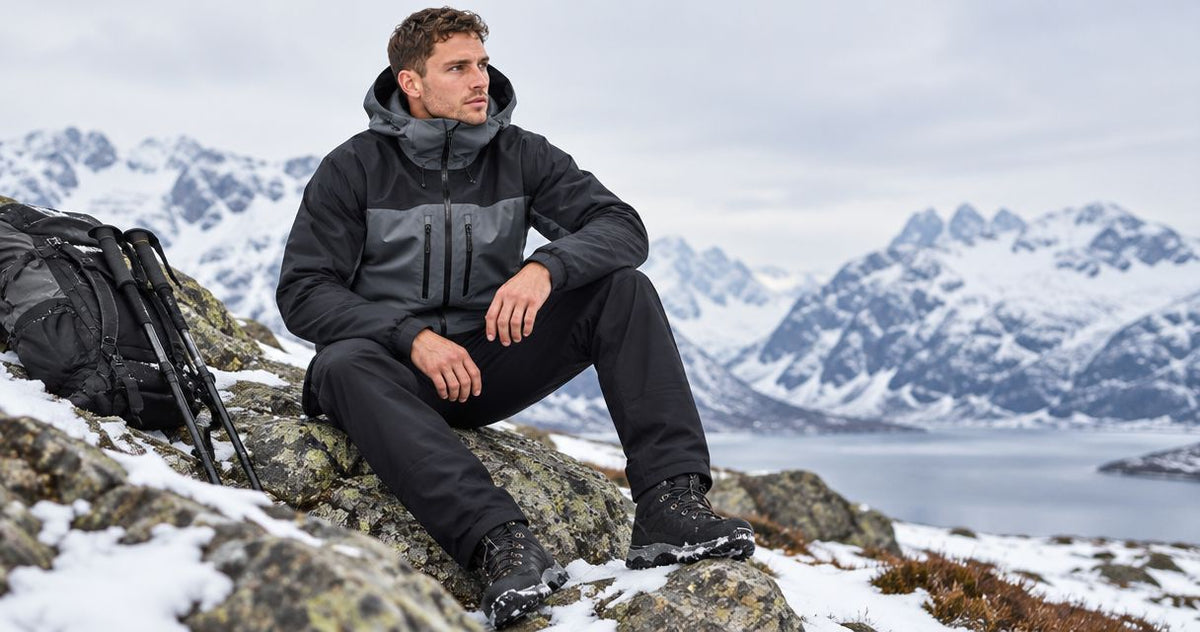
Swoya describes Ranger Pants as durable softshell trousers with light insulation for year-round performance. That establishes the key summer buying consideration: the insulation is part of the garment, not a removable layer. Year-round positioning does not mean every walker needs it on every summer route.
Swoya softshell trousers are best for walkers seeking light insulation, not those avoiding added warmth. For summer use, consider Ranger Pants when cooler conditions match that feature. Choose an uninsulated alternative when reducing warmth is your priority.
- Consider Ranger Pants for cooler summer walks where you want light insulation.
- Compare them with an uninsulated pair before choosing an all-season approach.
- Check the current sizing information against your measurements.
- Avoid treating the year-round description as a personal comfort guarantee.
Test movement before choosing a size
Use a pair you already own to identify fit problems before ordering a replacement. Notice whether the waistband slips, the knees pull or the thighs tighten when stepping uphill. Those observations give you a useful fit brief without needing specialist equipment.
During a try-on, use 3 movement checks: a high step, a squat and a seated bend. These are practical checks, not a laboratory fit standard. Keep your normal walking footwear on so you can assess the trouser hem at the same time.
Do not automatically size up to create ventilation. Extra fabric does not establish better heat release, and a loose waist creates a separate fit problem. Choose a cut that accommodates movement without relying on excess size.
- Raise each knee as though stepping onto a high rock.
- Squat and check for pulling across the seat and thighs.
- Sit down and check waistband pressure.
- Check that the hems clear the ground with walking footwear.
Keep warmth and rain protection separate
Start with the protection you already carry and check its condition. Your walking trousers and waterproof overtrousers perform different jobs; choosing a warmer softshell does not establish better rain protection. Look for explicit waterproof specifications rather than assuming them from the category name.
For your 2026 summer setup, think of walking trousers and overtrousers as 2 separate layers with separate decisions. Wear the walking trousers for movement and comfort. Select rain protection for the forecast and route rather than wearing unnecessary insulation underneath it.
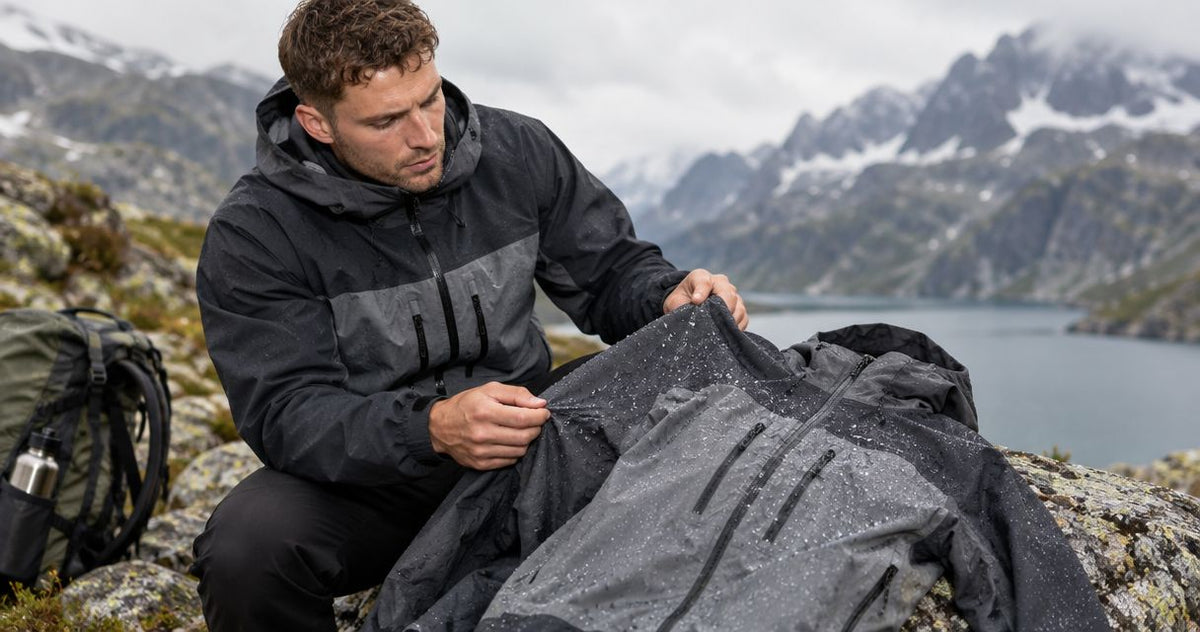
The SS1 Hardshell jacket is described as designed for alpine climbing, expeditions and winter mountaineering. That is a different brief from choosing the least-warm summer legwear. If you also need a jacket, assess the SS1 Hardshell jacket against that intended use rather than treating it as an automatic companion purchase.
- Check whether trouser waterproof performance is explicitly stated.
- Assess overtrouser fit over the trousers you intend to wear.
- Avoid adding insulation solely because rain is forecast.
- Evaluate jacket requirements separately from trouser warmth.
Compare before replacing your kit
Finish with a side-by-side comparison of your existing trousers and the shortlisted category. You do not need a new product simply because a listing says summer, technical or all-season. You need a clear improvement in the problem you identified.
Where returns terms permit a home try-on, keep the assessment indoors and follow those terms. Compare fit, inner construction and movement using the same clothing and footwear. Do not treat an indoor check as evidence of waterproofness or outdoor breathability.
For a 2026 purchase, write down the reason for choosing the pair before committing. If the reason is only that it covers every season, revisit whether that compromises the summer walks you do most often.
- Compare the new pair with your current trousers under the same conditions.
- Check the inner fabric and freedom of movement.
- Keep only features that address your actual walking needs.
- Choose a separate cooler-weather pair if one-pair coverage demands too much compromise.
Compare the main summer legwear options
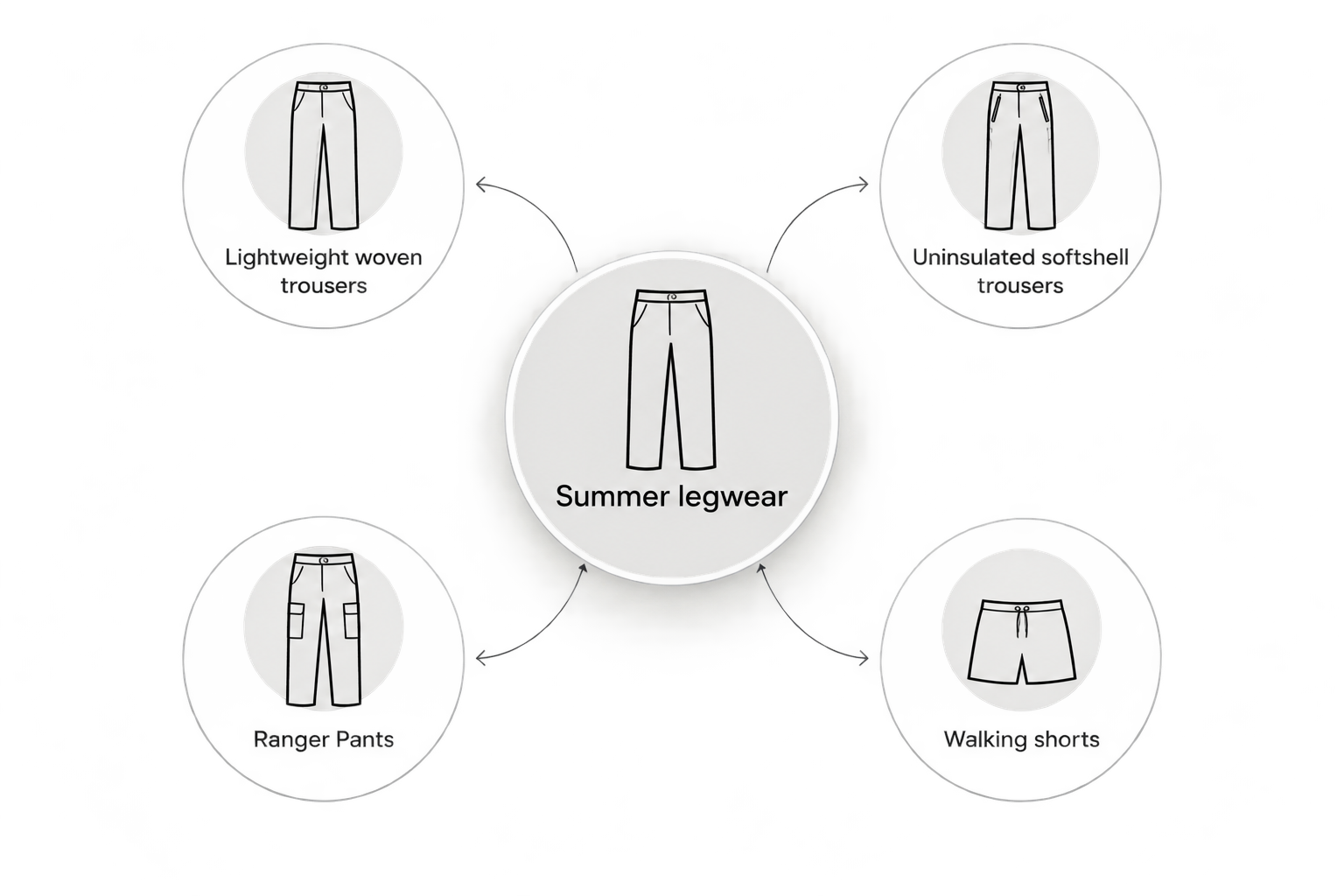
Best for warm-weather walking: start by comparing lightweight woven trousers and uninsulated softshells. Keep insulated trousers on the shortlist only when you want their extra warmth. Shorts solve a different problem because they leave your lower legs exposed.
The table compares clothing categories, not measured results from individual garments. Within each category, check the actual fabric and fit before buying; the name alone does not establish performance.
| Option | Best for | Main benefit | Key limitation |
|---|---|---|---|
| Lightweight woven trousers | Walkers prioritising a lighter full-length option | Full leg coverage without deliberately adding insulation | Fabric construction still determines comfort and durability |
| Uninsulated softshell trousers | Walkers wanting softshell construction without a lining | Removes added insulation from the buying brief | Uninsulated does not automatically mean thin or cool |
| Ranger Pants | Walkers seeking lightly insulated softshell trousers | Durable softshell fabric with light insulation | Added warmth works against a brief focused on avoiding insulation |
| Walking shorts | Walkers comfortable with exposed lower legs | Leaves the lower legs uncovered | Less coverage against vegetation and sun exposure |
| Waterproof overtrousers | Walkers needing a separate rain-protection layer | Adds protection when conditions require it | Adds another layer over your walking trousers |
For Swoya, the distinction is between an insulated trouser choice and a separate protective jacket choice. Ranger Pants address the first; the SS1 Hardshell jacket has an alpine and winter-mountaineering design brief. Neither description establishes the coolest summer system, so make each purchase solve its own problem.


Common mistakes summer hillwalkers make
Buying for the coldest moment only
A windy stop matters, but so does the climb that precedes it. Assess both before choosing permanent insulation, and plan your stopping layers separately rather than making walking trousers carry the entire warmth requirement.
Treating year-round as a temperature specification
Year-round describes intended breadth of use, not a measured comfort range for your body. Ranger Pants explicitly include light insulation; retain that fact when deciding whether they fit your summer brief.
Equating softshell with waterproof
The category name does not establish waterproof performance. Check an explicit specification and carry suitable rain protection for the route instead of assuming a softshell trouser replaces overtrousers.
Ignoring the warmest part of the route
A shaded start can distract from a sheltered ascent later in the day. Review where effort and exposure change, then choose trousers for the walking you will actually do rather than the first few minutes outside.
FAQ
What are the best mens softshell trousers for summer hiking?
Uninsulated softshell trousers are the best starting point when your priority is avoiding added warmth. Compare their fabric thickness and fit with lightweight woven trousers before choosing.
Are Ranger Pants suitable for summer hillwalking?
Ranger Pants suit a summer shortlist when you want light insulation. Their durable softshell fabric and insulated construction make them a different choice from trousers selected specifically to minimise warmth.
Are all softshell trousers insulated?
No, softshell trousers are not all insulated. Check the individual description for insulation, lining and inner construction rather than treating softshell as a warmth rating.
What temperature is too warm for insulated walking trousers?
There is no single temperature cut-off that determines comfort for every walker. Use your experience of similar routes, expected effort and wind exposure to decide whether added insulation is useful.
Should I wear shorts or trousers for summer hiking?
Choose shorts when you accept exposed lower legs, and trousers when you want full-length coverage. Consider vegetation, sun exposure and the route rather than temperature alone.
Do softshell trousers replace waterproof overtrousers?
Do not treat softshell trousers as a replacement unless their stated waterproof performance supports that use. Assess rain protection separately and check that your overtrousers fit over your walking pair.
Should I buy the SS1 Hardshell jacket with summer trousers?
Choose the SS1 Hardshell jacket only if its alpine, expedition and winter-mountaineering design brief matches your jacket needs. It is a separate decision from selecting cooler summer trousers.
One last thing
Plan 1 pair of walking trousers around the conditions you meet most often, not every possible season. The ability to add separate protection is useful; insulation built into your trousers stays there throughout the walk.
For your 2026 shortlist, make the deciding question specific: do you want added warmth while moving? If not, start uninsulated. Swoya Ranger Pants belong on the list when their light insulation answers a real need, not simply because the calendar still includes cooler months.